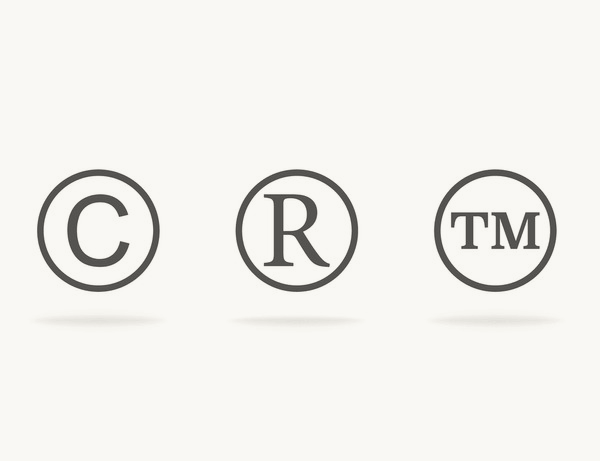
Trademark Symbols Explained: ®, ™, and ℠ for Business Owners
You spot a small ® next to a company logo. Across the street, another business uses ™ on its sign. Same idea, right? Not quite. These trademark symbols carry very different legal weight, and using the wrong one can weaken your brand protection or even land you in trouble with the federal government. This guide breaks down what the ®, ™, and ℠ trademark symbols mean, when to use each one, and how to sidestep the costly mistakes that catch business owners off guard.
Answer-first summary: The ® symbol signals a federally registered trademark approved by the United States Patent and Trademark Office (USPTO), and you may only use it after registration is granted. The ™ symbol marks an unregistered trademark for goods, while the ℠ symbol marks an unregistered service mark for services. Both ™ and ℠ can be used freely without any application. Misusing trademark symbols, especially placing ® before registration is complete, can trigger USPTO penalties and undermine your ability to enforce your brand.
Key Takeaways
- ® means federally registered with the USPTO; use this trademark symbol only after your registration is approved.
- ™ means an unregistered trademark for goods; you can use it freely to claim your brand.
- ℠ means an unregistered service mark for services; ™ is also widely accepted in its place.
- Misusing trademark symbols carries real penalties, so when in doubt, default to ™ or ℠.
- “Likelihood of confusion” drives trademark infringement decisions, which makes a clearance search essential before you commit to a name.
What does the ® (R) trademark symbol mean?
The ® symbol means a trademark is officially registered with the United States Patent and Trademark Office (USPTO). Of all the trademark symbols, it represents the strongest level of brand protection available in the United States.
You can only use the ® symbol after the USPTO approves your federal trademark registration. Using it earlier isn’t just incorrect. It can create real legal problems, which we’ll cover further below.
A federally registered trademark gives you several powerful advantages:
- Nationwide rights to use your mark within the goods and services classes you registered
- Legal presumption of ownership across all 50 states
- Access to federal courts to enforce your rights
- Potential for treble (triple) damages against willful infringers
- A public record that warns others your brand is already protected
For a simple, made-up word mark, registration can be fairly straightforward. The process gets complicated quickly, though, if your mark is descriptive, includes a design or sound, or resembles names already in use. You can confirm a registration’s status anytime through the USPTO Trademark Search system. That’s exactly where an experienced trademark attorney earns their fee.
What does the ™ trademark symbol mean?
The ™ symbol indicates an unregistered trademark, which is a mark you claim for goods even though it isn’t federally registered. Among the trademark symbols, it tells the world that you consider the name, logo, or slogan to be your trademark and that you intend to defend it.
You can use the ™ symbol freely. There’s no application, no approval, and no waiting period. The moment you start using a name or logo in commerce, you gain certain common law trademark rights in the geographic area where you operate.
Here’s the catch: common law rights are limited. They typically protect you only in the region where you actually do business, and they’re harder to enforce than federal rights. Think of the ™ symbol as a placeholder. It’s useful while you build your brand or wait for your federal registration to come through.
What does the ℠ (SM) trademark symbol mean?
The ℠ symbol stands for “service mark.” Of the three trademark symbols, it works just like the ™ symbol, but it applies to services rather than physical goods.
Sell a product? Use ™. Provide a service, such as consulting, landscaping, legal work, or marketing? Use ℠ for an unregistered mark tied to that service.
In practice, many businesses simply use ™ for both goods and services, and that’s generally acceptable. The ℠ symbol exists specifically for service-based brands that want to be precise. Once a service mark is federally registered, you switch to the ® symbol, just as you would with goods.
Quick reference: which trademark symbol should you use?
The table below sums up each of the trademark symbols at a glance.
| Symbol | Meaning | Registration Required? | Best For |
|---|---|---|---|
| ® | Federally registered trademark | Yes (USPTO approval) | Registered brands, goods, or services |
| ™ | Unregistered trademark | No | Products and goods not yet registered |
| ℠ | Unregistered service mark | No | Services not yet registered |
Why does using the wrong trademark symbol matter?
Using the wrong trademark symbol matters because the symbol communicates the legal status of your brand. Pick the wrong one, and you send the wrong message.
Misusing the ® symbol is the most serious mistake among the trademark symbols. If you place ® next to a mark that isn’t federally registered, you may face penalties from the USPTO. According to the Trademark Manual of Examining Procedure (TMEP §906.04), deliberate improper use of the federal registration symbol that intends to deceive the public or the USPTO is treated as fraud. Improper use can:
- Jeopardize your future registration application
- Undermine your ability to enforce the mark against infringers
- Expose you to claims of fraud or misrepresentation
Using ™ or ℠ when you should be using ® is less dangerous, but it still costs you. You’re signaling that your brand is not federally protected, which can invite competitors to encroach on a name you’ve worked hard to build.
The takeaway is simple: when in doubt, use ™ or ℠, and never use ® unless you hold an active federal registration.
When should you use each trademark symbol?
Choosing the right trademark symbol comes down to two questions: Is your mark registered, and is it for goods or services? Use this checklist to decide:
- Is your mark federally registered with the USPTO? Use ® for goods or services.
- Does your mark cover goods but isn’t registered? Use ™.
- Does your mark cover services but isn’t registered? Use ℠ (or ™, which is commonly accepted).
- Have you filed an application but not yet been approved? Keep using ™ or ℠ until the registration is official.
This decision also overlaps with a bigger question: should you pursue a state trademark or a federal trademark? State registrations are faster and cheaper, but they only protect you within one state’s borders, and they rarely allow the ® symbol. Federal registration unlocks nationwide protection and the ® symbol. If you operate, or plan to operate, across state lines or online, federal registration is usually the better path. Our team explains this in Business Law Southwest’s guide to trademark registration.
What are the risks of trademark symbol misuse and infringement?
Trademark symbols are only one piece of brand protection. The deeper risk lies in choosing, or using, a mark that conflicts with someone else’s rights.
What is “likelihood of confusion” in trademark law?
Likelihood of confusion is the core legal test for trademark infringement. It asks whether an average consumer would likely confuse your mark with an existing one. You’re not just searching for identical names. You’re looking for marks that are confusingly similar in sound, appearance, meaning, or commercial impression, especially within the same industry or trade channels.
The USPTO weighs these factors using the well-established DuPont factors, a set of considerations courts and examiners apply when assessing whether two marks clash. For example, a registered mark in one product category may not block your use of a similar name in a completely different category. The analysis is rarely simple, though, and getting it wrong can mean wasted filing fees, a forced rebrand, or a lawsuit.
What trademark mistakes cost business owners the most?
Business owners tend to repeat the same avoidable errors with their trademark symbols and filings. Watch out for these:
- Using ® before registration is complete. This can derail your application and weaken enforcement.
- Copying a design or logo. A logo may be protected by trademark and copyright, which doubles your exposure.
- Filing in the wrong classes. Misclassifying your goods or services can leave gaps in your protection.
- Skipping a clearance search. First-time DIY applicants face high rejection rates. A thorough search before filing saves both time and money.
Why does professional guidance pay off with trademark symbols and filings?
Professional guidance pays off because trademark law blends federal rules, state laws, and complex case-by-case analysis that’s hard to navigate alone. A qualified attorney can run a proper clearance search, confirm the right registration path, file under the correct classifications, and help you enforce your rights if someone infringes.
Business Law Southwest offers full-service trademark registration, enforcement, and infringement support to protect the logos, names, and slogans that define your brand. That work sits within the broader field of intellectual property, and the firm also supports business owners across contracts, partnerships, litigation, and business transactions. In short, you get one team that understands how your trademark fits into the rest of your business.
Frequently Asked Questions
What does the ® trademark symbol mean on a logo?
The ® symbol means the trademark is federally registered with the U.S. Patent and Trademark Office (USPTO). It grants nationwide protection and the right to enforce the mark in federal court. You may only use ® after your registration is approved.
What’s the difference between the ™ and ® trademark symbols?
The ™ symbol marks an unregistered trademark and signals that you claim rights to a name or logo. The ® symbol marks a federally registered trademark with full USPTO protection. ™ requires no application, while ® requires approved registration.
What does the ℠ trademark symbol mean?
The ℠ symbol stands for “service mark.” It functions like ™ but applies to services rather than physical goods. Once a service mark is federally registered, you switch to ®.
Can I use the ® symbol without registering my trademark?
No. Using ® without an active federal registration can lead to USPTO penalties, hurt your future application, and weaken your ability to enforce the mark. Use ™ or ℠ until your registration is approved.
Do I need a federal trademark, or is a state trademark enough?
It depends on your reach. State trademarks protect you within a single state and cost less. Federal trademarks protect you nationwide and allow the ® symbol. If you operate, or plan to operate, across state lines or online, federal registration is usually the better choice.
What is “likelihood of confusion”?
Likelihood of confusion is the legal test for trademark infringement. Courts and the USPTO assess whether consumers would likely confuse two marks based on similarity in appearance, sound, meaning, and the goods or services involved.
Choosing the right trademark symbol protects your brand
Your brand is one of your most valuable assets, and the right trademark symbol is just the start of protecting it. Use ™ or ℠ to stake your claim while you build, reserve ® for marks the USPTO has officially registered, and clear your mark for likelihood of confusion before you commit. Before you file an application, choose a new name, or send a cease-and-desist, get the strategy right.
Ready to protect your brand? Connect with the trademark attorneys at Business Law Southwest for guidance on registration, enforcement, and everything in between. Business law that makes business sense.